
Essential Fire Coatings for Rocky Mountain Home Safety
- FireFly FireCoatings
- May 27
- 4 min read
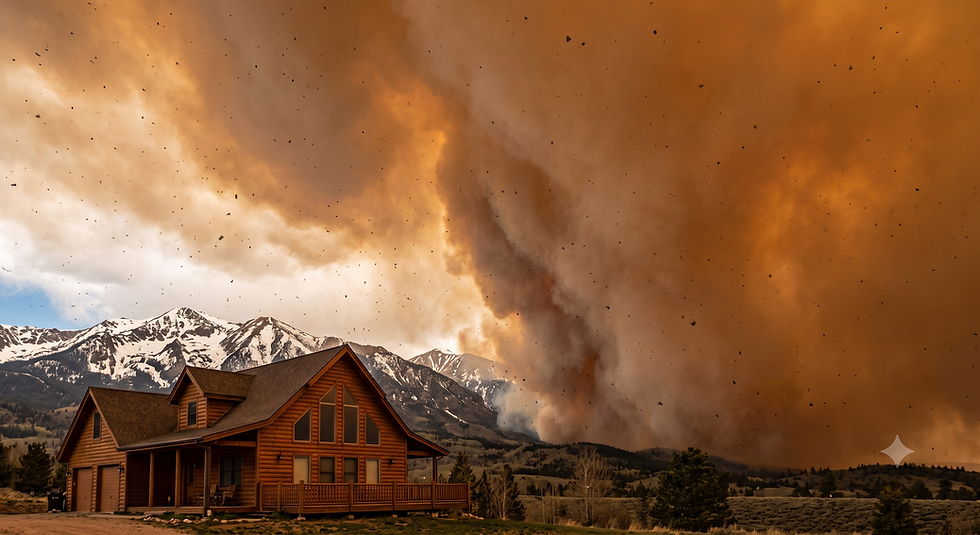
Fire safety is a critical concern for homeowners, especially in regions like the Rocky Mountains where wildfires can pose a significant threat. The unique climate and terrain of this area create conditions that can lead to devastating fires. Therefore, understanding and implementing effective fire safety measures is essential for protecting your home and loved ones. One of the most effective ways to enhance fire safety is through the use of fire coatings. This blog post will explore the essential fire coatings available, their benefits, and how they can contribute to home safety in the Rocky Mountain region.

Understanding Fire Coatings
Fire coatings are specialized products designed to protect materials from fire damage. They work by forming a barrier that slows down the spread of flames and reduces the release of toxic smoke. Fire coatings can be applied to various surfaces, including wood, metal, and drywall, making them versatile for different construction materials.
Types of Fire Coatings
Intumescent Coatings
These coatings expand when exposed to heat, creating a thick insulating layer that protects the underlying material. They are commonly used on structural steel and wooden surfaces.
Example: A wooden deck treated with intumescent paint can withstand higher temperatures, providing additional time for evacuation during a fire.
Cementitious Coatings
Made from a mixture of cement and other materials, these coatings provide a durable fire-resistant barrier. They are often used in commercial buildings but can also be applied in residential settings.
Example: A basement wall coated with cementitious fireproofing can help contain a fire, preventing it from spreading to the upper levels of the home.
Fire Retardant Coatings
These coatings are designed to reduce the flammability of materials. They do not expand like intumescent coatings but instead chemically alter the burning process.
Example: Applying a fire retardant coating to wooden beams in a home can significantly reduce the risk of ignition.
Benefits of Fire Coatings
Implementing fire coatings in your home offers several advantages:
Enhanced Safety: Fire coatings provide an additional layer of protection, giving you and your family more time to escape in case of a fire.
Insurance Benefits: Many insurance companies offer discounts for homes equipped with fire-resistant materials, potentially lowering your premiums.
Increased Property Value: Homes with fire safety features are often more attractive to buyers, increasing their market value.
Peace of Mind: Knowing that your home is better protected against fire hazards can provide significant peace of mind.
Choosing the Right Fire Coating
When selecting a fire coating for your home, consider the following factors:
Material Compatibility: Ensure that the coating is suitable for the specific materials in your home.
Fire Rating: Look for coatings that meet or exceed local fire safety regulations.
Application Method: Some coatings require professional application, while others can be applied by homeowners.
Durability: Choose coatings that are resistant to wear and tear, especially in high-traffic areas.
Application Process
Applying fire coatings requires careful preparation and execution. Here’s a general overview of the application process:
Surface Preparation: Clean the surface to remove dirt, grease, and old paint. This step is crucial for ensuring proper adhesion.
Priming: Some coatings may require a primer to enhance adhesion and improve the overall finish.
Application: Follow the manufacturer's instructions for applying the coating. This may involve using a brush, roller, or spray equipment.
Curing: Allow the coating to cure fully before exposing it to heat or moisture. This step is essential for achieving the desired fire-resistant properties.
Maintenance of Fire Coatings
To ensure the effectiveness of fire coatings, regular maintenance is necessary. Here are some tips:
Inspect Regularly: Check for any signs of wear, damage, or peeling. Address any issues promptly to maintain fire resistance.
Reapply as Needed: Depending on the type of coating and environmental conditions, you may need to reapply the coating every few years.
Follow Manufacturer Guidelines: Always adhere to the manufacturer's recommendations for maintenance and reapplication.
Local Regulations and Standards
In the Rocky Mountain region, fire safety regulations can vary by municipality. It’s essential to familiarize yourself with local codes and standards regarding fire coatings. This knowledge will help ensure that your home complies with safety requirements and that you are using the appropriate products.
Case Studies: Successful Implementation of Fire Coatings
Case Study 1: Mountain Cabin Renovation
A family in Colorado renovated their mountain cabin to improve fire safety. They applied intumescent coatings to the wooden beams and decking. After a nearby wildfire, the cabin remained intact, demonstrating the effectiveness of the fire coatings in protecting their home.
Case Study 2: Commercial Building Upgrade
A commercial property owner in Wyoming decided to upgrade their building's fire safety features. They applied cementitious coatings to the structural steel and fire retardant coatings to the wooden interiors. Following an inspection, the building received a higher fire safety rating, which helped lower insurance costs.
Conclusion
Fire coatings are an essential component of home safety, especially in fire-prone areas like the Rocky Mountains. By understanding the different types of fire coatings, their benefits, and proper application techniques, homeowners can significantly enhance their fire safety measures. Investing in fire coatings not only protects your property but also provides peace of mind for you and your family.
Take the first step towards improving your home’s fire safety today by researching suitable fire coatings and consulting with professionals. Your home deserves the best protection against the unpredictable nature of wildfires.


Comments