
Protect Your Home: Fire Mitigation Tips for Colorado
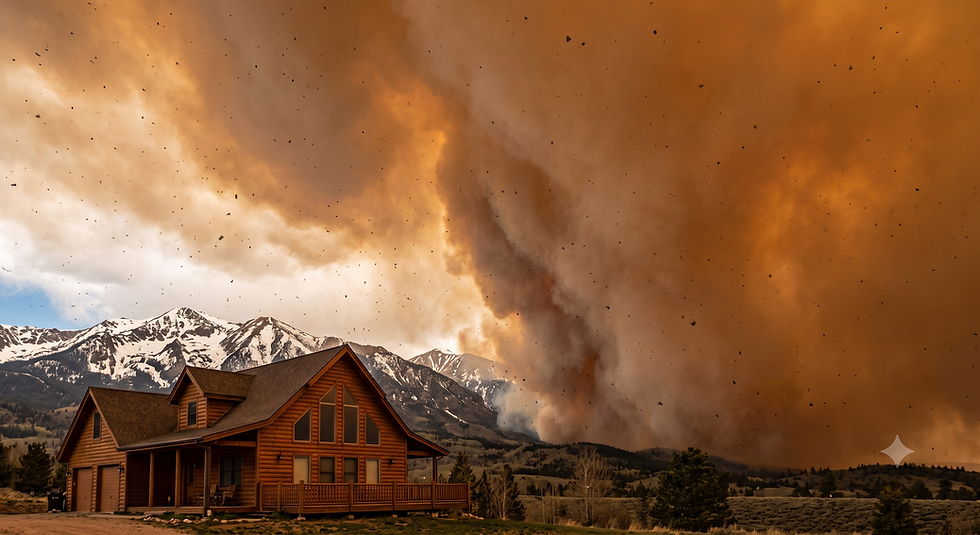
Wildfires are a significant concern for homeowners in Colorado, especially during the dry summer months. With the state's unique geography and climate, understanding how to protect your home from fire is crucial. This guide will provide you with practical fire mitigation tips tailored for Colorado residents, ensuring that your home remains safe and secure.

Understanding the Fire Risk in Colorado
Colorado's diverse terrain, ranging from dense forests to arid plains, creates varying levels of fire risk. The state has experienced devastating wildfires in recent years, making it essential for homeowners to be proactive in fire prevention.
Factors Contributing to Fire Risk
Climate: Colorado's dry climate, especially in the summer, increases the likelihood of wildfires.
Vegetation: Areas with dense vegetation, such as pine forests, are more susceptible to fires.
Wind: Strong winds can quickly spread fires, making them harder to control.
Human Activity: Many wildfires are caused by human negligence, such as unattended campfires or discarded cigarettes.
Understanding these factors can help you take the necessary steps to mitigate fire risks around your home.
Creating a Defensible Space
One of the most effective ways to protect your home from wildfires is by creating a defensible space. This is an area around your home that is maintained to reduce the risk of fire spreading to your property.
Steps to Create Defensible Space
Clear Vegetation: Remove dead plants, leaves, and other debris from around your home. This includes trimming back shrubs and trees that are close to your house.
Maintain a Safe Distance: Keep a distance of at least 30 feet between your home and any flammable vegetation. If possible, extend this distance to 100 feet.
Use Fire-Resistant Plants: When landscaping, choose fire-resistant plants that are less likely to ignite. Examples include succulents, ornamental grasses, and certain types of flowers.
Create Zones: Divide your defensible space into zones:
Zone 1 (0-5 feet): This area should be free of any flammable materials. Use non-combustible materials like gravel or stone.
Zone 2 (5-30 feet): Use low-growing plants and maintain a well-watered lawn.
Zone 3 (30-100 feet): Thin out trees and shrubs to create space and reduce fire intensity.
Fire-Resistant Building Materials
When building or renovating your home, consider using fire-resistant materials. This can significantly reduce the risk of your home catching fire.
Recommended Fire-Resistant Materials
Roofing: Use Class A fire-rated roofing materials such as metal, tile, or asphalt shingles.
Siding: Opt for non-combustible siding materials like stucco, brick, or fiber-cement.
Windows: Install double-paned or tempered glass windows to withstand heat.
Decks: Use composite materials or fire-resistant wood for decks and patios.
Regular Maintenance and Inspections
Regular maintenance is key to fire prevention. Here are some essential tasks to keep your home safe:
Maintenance Checklist
Clean Gutters: Regularly remove leaves and debris from gutters to prevent fire hazards.
Inspect Roofs: Check for damaged shingles or tiles that may need repair.
Trim Trees: Keep tree branches at least 10 feet away from your roof and chimney.
Check Fireplaces: Have your chimney inspected and cleaned annually to prevent chimney fires.
Emergency Preparedness
Being prepared for a wildfire can make a significant difference in ensuring your safety and the safety of your family.
Create an Emergency Plan
Evacuation Routes: Identify multiple routes out of your neighborhood in case of a fire.
Communication Plan: Establish a way to communicate with family members during an emergency.
Emergency Kit: Prepare a kit with essential items such as water, food, medications, and important documents.
Stay Informed
Local Alerts: Sign up for local alerts and notifications regarding fire conditions and evacuations.
Weather Updates: Monitor weather conditions, especially during fire season.
Community Involvement
Engaging with your community can enhance fire prevention efforts. Consider participating in local fire mitigation programs or initiatives.
Ways to Get Involved
Firewise Communities: Join or form a Firewise community to work together on fire prevention strategies.
Volunteer: Participate in local clean-up days to help clear fire-prone areas.
Education: Attend workshops or seminars on fire safety and mitigation.
Conclusion
Protecting your home from wildfires in Colorado requires a proactive approach. By creating a defensible space, using fire-resistant materials, maintaining your property, and preparing for emergencies, you can significantly reduce your risk. Remember, fire safety is a community effort, so get involved and help spread awareness. Take these steps today to ensure your home remains a safe haven for you and your family.


Comments